Showing posts with label LG Chem. Show all posts

Wednesday, October 21, 2015

Chevrolet BOLT EV to be developed through strategic partnership between GM and LG.


Engineers from GM and LG Electronics Partner on Critical Components.

General Motors set aside traditional vehicle development in selecting LG Electronics as its partner in developing the next generation Chevrolet Bolt EV (electric vehicle), which can travel more than 200 miles on a single electric charge.
Offering consumers the first long-range, affordable EV required an unprecedented supplier relationship combining expertise in infotainment, battery systems and component development with GM’s proven in-house capabilities in electric motor design, battery control, system validation and vehicle body/system integration.
Following joint planning and research, GM and LG brought the Chevrolet Bolt EV to reality. The Bolt EV concept was shown at the North American International Auto Show in January this year. Chevrolet confirmed in February that the Bolt EV would go into production at GM’s Orion Township, Michigan (USA) assembly plant in late 2016.

GM & LG Blend Expertise
Engineers considered different vehicle architectures, electric driving ranges and performance options for the Bolt EV before deciding the vehicle must be affordable and deliver 200-plus miles of all-electric driving with spirited performance. LG supplied an array of new components and systems for the Chevrolet Bolt EV, including:
  • Electric Drive Motor (built from GM design)
  • Power Invertor Module (converts DC power to AC for the drive unit)
  • On Board Charger
  • Electric Climate Control System Compressor
  • Battery Cells and Pack
  • High Power Distribution Module (manages the flow of high voltage to various components)
  • Battery Heater
  • Accessory Power Module (maintains low-voltage power delivery to accessories)
  • Power Line Communication Module (manages communication between vehicle and a DC charging station)
  • Instrument Cluster
  • Infotainment System
“Chevrolet needs to be disruptive in order to maintain our leadership position in electrification,” said Mark Reuss, GM executive vice president of Global Product Development, Purchasing and Supply Chain. “By taking the best of our in-house engineering prowess established with the Chevrolet Volt and Spark EV, and combining the experience of the LG Group, we’re able to transform the concept of the industry’s first long range, affordable EV into reality.”
LG Electronics’ Vehicle Components led a team of LG companies including LG Chem, LG Innotek and LG Display to help develop the Bolt EV. LG Electronics has invested more than $250 million in an engineering and manufacturing facility in Incheon, Korea, to support the component development and manufacturing for Bolt EV components.
“Being selected as GM’s EV technology partner positions LG as a key player in next-generation vehicular technologies,” said Lee Woo-jong, president and CEO of the LG Electronics Vehicle Components Co. “The opportunity to work with GM on such game-changing technology is indicative of exactly the type of contributions that traditional tech companies can make in the automotive space.”
GM-LG Longstanding Relationship
GM’s relationship with LG began in 2007 when LG Electronics was tasked with supplying the vehicle communications module for OnStar, GM’s exclusive telematics system. Another LG-owned company, LG Chem, and GM have a long-standing relationship: the company was chosen as the sole supplier of battery cells for the first-generation Chevrolet Volt, which launched in 2010.

After delivering exceptional quality for the more than 23 million cells with less than two problems per million cells produced for the first-generation Chevrolet Volt, GM turned to the LG Corp. to bring forward new expertise from LG Electronics and other LG companies. The agreements encompassed supplying components for the Bolt EV and marked the first time that GM integrated a full EV component supplier so early in vehicle development.

LG G4 H815 5.5-Inch Factory Unlocked Smartphone with Genuine Leather (Leather Black) - International Stock (No Warranty)


Friday, August 21, 2015

LG Chem and Samsung SDI working together to put in an AUDI EV a 500KMS drive range w/ a single charge battery.

Exterior sketch of the Audi e-tron quattro

Audi, together with LG Chem and Samsug SDI korean battery makers, aims to take on Tesla with its new full-electric sport utility vehicle that drives 500 kilometers in a single charge.

Audi is set to unveil a preview of the e-front quattro concept at the upcoming Frankfurt Auto Show in September.

The company plans to start the production of the car in 2018 as its first mainstream electric car.

The car's 500-kilometer driving range is more than triple that of other mass-market EVs on the market. Except Tesla's Model S sedan that drives 420 to 560 kilometers depending on trims, top-selling cars like Nissan Leaf and BMW i3 drive some 160 when fully charged kilometers.  The Audi EV's key RIVAL is expected to be Tesla's new Model X SUV, which is scheduled to hit the market next month.

Tha car`s driving range is also 500 kilometers. In a rare partnership, LG Chem and Samsung SDI, two of the world`s top three battery makers along with Jpan`s Panasonic, have teamed up to develop big storages batteries for the Audi project.

The two companies declined to elaborate on how they work together and who would take the lead in the whole development process.

"An EV with a 500 kilometer driving range is a revolution that would help jump-start the still nascent EV market" industrial said.

"And this is also a competition between the two battery makers. They would try to show off their battery prowess and appeal to other global carmakers for future deals.

 "The two companies have poured resources for years into developing smaller but higher capacity batteries for electric cars, because an electric car's driving range is largely dependent on battery size.

Samsung SDI is the sole supplier for BMW's first full-electric car i3 as well as the i8 plug-in hybrid sports car, while LG Chem is supplying EV batteries to carmakers like GM, Ford, Daimler and Volvo.

According to the research firm B3, the world's electric car market is expected to surge from this year's 2.3 million cars to 6 million by 2020. During the same period, the market for EV batteries is projected to more than triple from $ 6 billion to $ 21.1 billion, the firm said . 

Sunday, March 16, 2014

LG supporting with more resources Research and Development initiative.


LG Group said Thursday that its chairman Koo Bon-moo appointed 46 senior research fellows in a bid to strengthen the group’s research and development of innovative products.

In a statement, the firm said that most the new appointees are from LG Chem, LG Electronics and LG Display.

LG spokesman Terry Taekyung Lee said the research fellows will be given incentives and benefits at a level similar to LG executives depending on their output.

“They can proceed with projects with less volatility. If they show an outstanding performance, they can get president-level incentives and benefits,” Lee said.

LG Electronics has the most experienced researchers currently at 27, followed by LG Display with 10, LG Chem with 8 and LG Household & Care with 1, according to a statement.

Lee said the group’s technology affiliates are investing more in advanced components, batteries, and energy and mobile products.

LG aims to cut the group’s heavy reliance on thin-margin businesses such as smartphones and TVs by shifting its focus toward less-volatile and profitable components and the business-to-business (B2B) segment.

LG Electronics is the world’s No. 2 TV producer and a second-tier smartphone manufacturer. These conventional consumer products are losing their luster as the market is getting rapidly saturated because of the entry of many Chinese suppliers.

On the contrary, the group’s component affiliates represented by LG Chem and LG Display are on track for business transformation to supply display and battery parts to their major clients. LG Chem and LG Display are the most trusted parts suppliers in batteries and displays, respectively.

“LG wants to become the next Bosch and Continental by putting more  resources on vehicle products,” said an executive at LG Electronics.

Enhanced by Zemanta

Tuesday, February 4, 2014

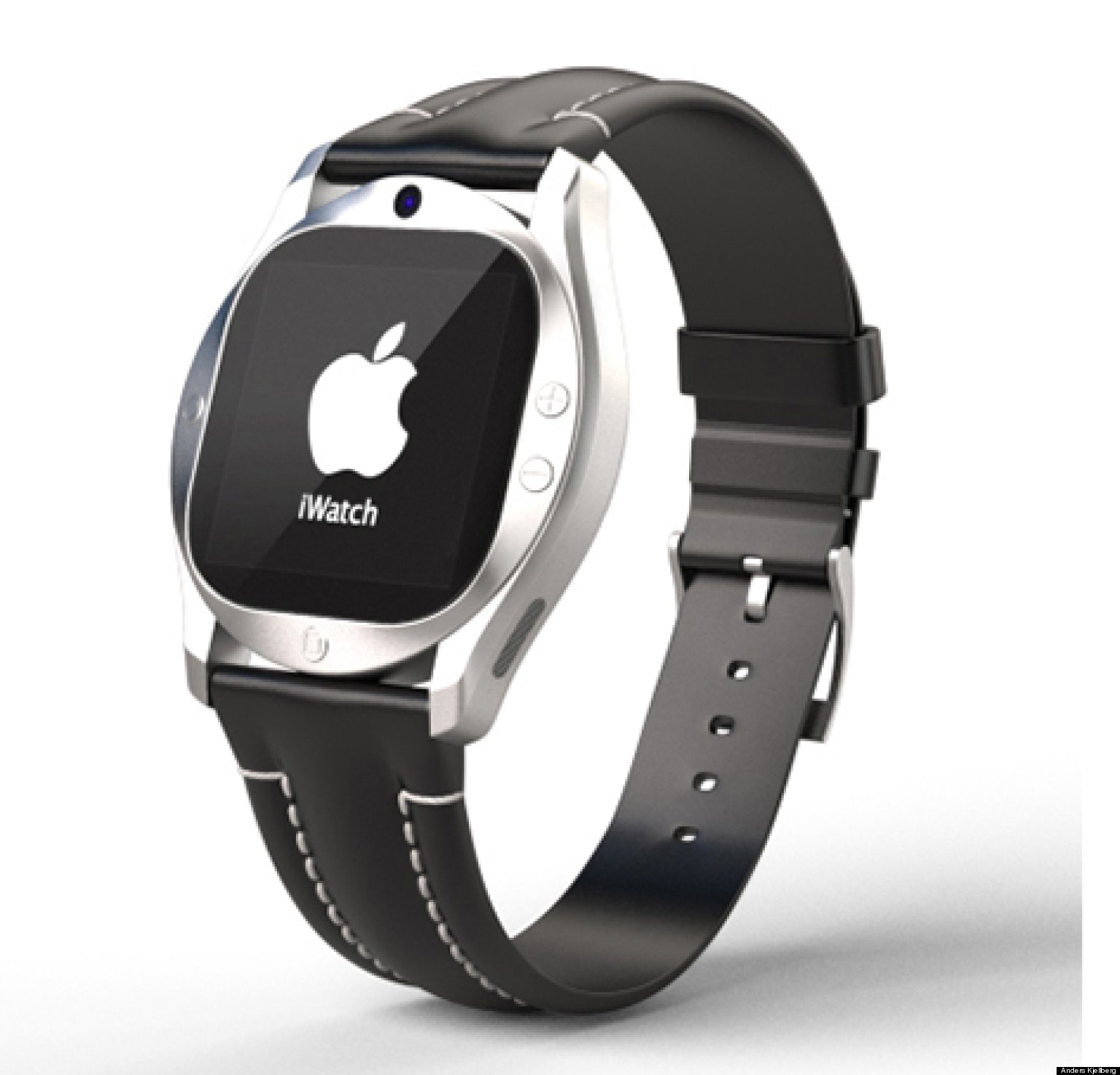
LG Chem, Samsung SDI and Tianjin Lishen to supply Apple`s iWatch lithium-ion batteries. Not curved.


LG was confirmed before to supply the 2 million initial order displays for the Apple`s iWatch,  (code named Kids Watch) (which are allegedly going to measure in at 1.52 inches) using its flexible display technology (P-OLED, as in Plastic OLED, the same tech introduced by LG with its G Flex smartphone). In addition, these rumors indicate that LG will start mass producing the iWatch screens within the July-September 2014 timeslot.

Now Apple has confirmed that it will stick with lithium-ion batteries for its upcoming iWatch and these batteries are to be supplied mainly by Samsung SDI, LG Chem and Tianjin Lishen Battery.


This means the local manufacturers would be providing products for Samsung’s largest rival. 

“Apple will utilize LG Chem’s stepped battery since it offers better longevity than others and can be applied for different shapes,” a source said, declining to be identified. 

Stepped batteries consist of layers of batteries and are said to have around 16 percent more energy efficiency than a traditional battery, as the step-like design reduces unused space in the battery pack.

LG Chem had said in an investor relations meeting last month that it would expand its presence in the premium mobile market with its stepped and its curved batteries, which were unveiled last year along with a cable battery.

LG Chem and Samsung SDI both declined to comment on the supply deal. 

Efficiency was the main reason why lithium-ion batteries were chosen over solar energy. 

“Since the energy efficiency of solar-charging technology is one-tenth of the lithium-ion battery, it doesn’t make sense to run a gadget with solar power,” he said, adding that the solar panel could be used as supplementary power at best. 

The iWatch is expected to be released in the latter half of this year. 

The smart watch was also unlikely to sport a curved screen, according to industry watchers who believe there would be no point in making a curved screen that would be at most 2 inches wide. 

A curved display may also put strain on the wearer’s wrist if worn for a long time, they said. 

Meanwhile, most smart watches expected to be released this year including those of Apple, Samsung and LG will be equipped with an organic light-emitting diode display.

Samsung Electronics is planning to release its Galaxy Gear 2 smart watch as early as this month along with its flagship Galaxy S5 smartphone at Mobile World Congress 2014, scheduled to be held in Barcelona from Feb. 24-27. 

LG Electronics’ much talked-about upcoming smart watch is also expected to adopt the stepped battery and the OLED display as well.

Its prototype is said to be already being tested, and LG Electronics is mulling the release date.


Buy the Amazon Kindles Fire HDX 7 and HDX 8.9 inches tablets:


Enhanced by Zemanta

LG OLED evo M5, the Only True Wireless OLED TV With G5’s Excellence in Picture Quality.

  With Uncompromised, Low-Lag Performance at 4K 144Hz, LG’s Advanced Wireless Technology Sets a New Standard for Clutter-Free Gaming and Hom...

Popular Posts